What You Need to Know Right Now: Does Chapter 11 Forgive Debt
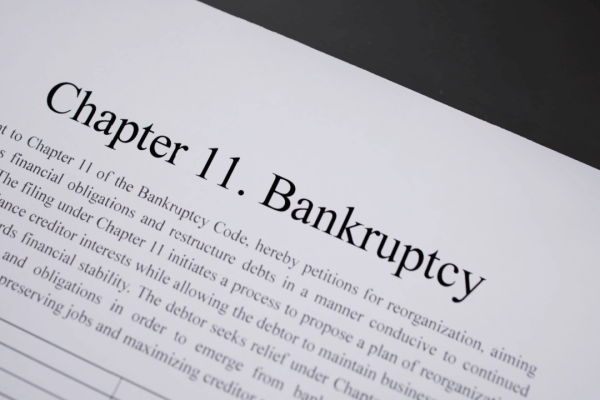
Does Chapter 11 forgive debt? Yes — Chapter 11 bankruptcy can discharge eligible unsecured debts through a court-confirmed reorganization plan. According to the U.S. Courts, businesses and qualifying individuals restructure debt obligations while retaining operations or assets.
Key Concepts Explained: Does Chapter 11 Forgive Debt Through Reorganization?
Chapter 11 bankruptcy does forgive debt — but differently than Chapter 7. Rather than liquidating assets immediately, Chapter 11 creates a structured repayment and discharge plan tailored to your financial situation.
Businesses overwhelmed by commercial debt, lease obligations, or creditor lawsuits use Chapter 11 to reorganize without shutting down. High-income individuals who exceed Chapter 13’s debt limits also qualify.
Here’s how debt forgiveness works under Chapter 11:
- File a voluntary petition with the federal bankruptcy court
- Propose a reorganization plan to creditors and the court
- Creditors vote on the proposed plan
- A judge confirms the plan if it meets legal requirements
- Dischargeable debts are legally forgiven upon plan completion
According to the Administrative Office of the U.S. Courts, Chapter 11 filings allow debtors to shed unsecured obligations including credit card debt, medical bills, and certain business loans — providing a genuine financial fresh start.
Explore your options further at Chapter 11 Overview.
Debt Discharge Breakdown: What Chapter 11 Forgives vs. What It Doesn’t
Debts Typically Discharged
Chapter 11 can eliminate substantial financial burdens:
- Unsecured business debt — vendor invoices, lines of credit
- Medical and credit card debt — common for individual filers
- Lease obligations — commercial or personal real estate agreements
- Deficiency balances — remaining debt after collateral liquidation
Debts That Survive Chapter 11
Not all debts qualify for forgiveness. The U.S. Bankruptcy Code, 11 U.S.C. § 523, identifies non-dischargeable debts including:
- Domestic support obligations (alimony, child support)
- Most student loan debt
- Recent tax liabilities
- Debts from fraud or willful misconduct
Understanding what Chapter 11 forgives — and what it won’t — is critical before filing. Have questions ready? Visit our FAQ Resource.
Chapters Compared: Chapter 11 vs. Chapter 7 vs. Chapter 13 Debt Forgiveness
Feature | Chapter 7 | Chapter 13 | Chapter 11 |
Primary Use | Individuals | Individuals | Businesses/High-Income |
Debt Discharge | Fast (3–6 months) | After repayment plan | After confirmed plan |
Asset Protection | Limited | Moderate | High |
Debt Limits | None | Capped | None |
Business Continuity | No | No | Yes |
- Chapter 7 discharges debt quickly through liquidation.
- Chapter 13 repays debt over 3–5 years before discharge.
- Chapter 11 restructures debt while preserving business operations — making it the most powerful tool for entities with complex financial obligations.
According to the U.S. Small Business Administration, small business owners increasingly use Subchapter V of Chapter 11 — a streamlined path created under the Small Business Reorganization Act — to reorganize debt faster and at lower cost.
Financial Freedom Advantages: How Chapter 11 Debt Forgiveness Rebuilds Financial Stability
Chapter 11 isn’t just about surviving debt — it’s about rebuilding. Once a reorganization plan is confirmed and completed, discharged debts are permanently eliminated. Creditors can no longer pursue collection, lawsuits, or wage garnishments on forgiven balances.
The automatic stay, which takes effect immediately upon filing, halts all creditor actions under 11 U.S.C. § 362. This gives businesses and individuals breathing room to negotiate and restructure.
For businesses, a successful Chapter 11 discharge means emerging leaner, with manageable debt and restored operational capacity. For individuals with complex estates or debts beyond Chapter 13 limits, Chapter 11 offers a credible path to financial freedom unavailable elsewhere.
Bankruptcy attorneys who understand Chapter 11’s nuances are essential — the process involves court appearances, creditor negotiations, and legal filings that require professional guidance. Learn how Exclusive Legal Leads connect struggling individuals with qualified attorneys.
Your Path Forward: Does Chapter 11 Forgive Debt and Is It Right for You?
Chapter 11 bankruptcy does forgive eligible debt — and for businesses or high-income individuals facing overwhelming financial pressure, it can be transformative. The key is acting before debt becomes unmanageable. A qualified bankruptcy attorney evaluates whether Chapter 11, Chapter 7, or Chapter 13 best serves your needs.
Get your Free Bankruptcy Evaluation today. Visit Chapter 11 Details to learn more, or explore answers at our FAQ Resource. Financial relief is possible — don’t wait.