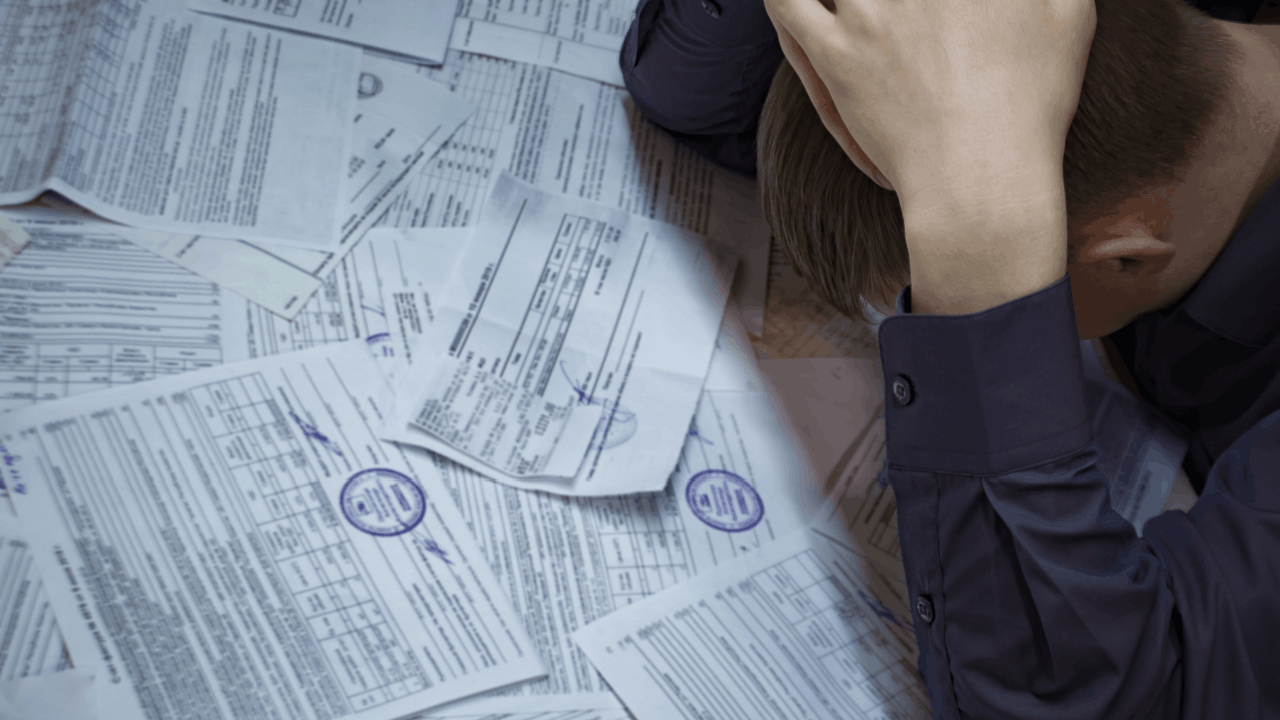
Debt Relief Defined: When Debt Becomes Unmanageable and What to Do Next
When debt becomes unmanageable, you need more than budgeting advice — you may need the legal protection of bankruptcy. Over 565,000 Americans filed for bankruptcy in 2025 alone, according to Epiq AACER, and that number keeps rising. Bankruptcy exists precisely for this moment — to give you a lawful, structured path out.
Feeling buried under bills, collection calls, and mounting interest is exhausting and isolating. But you are not alone, and you are not out of options. Whether it’s medical bills, credit card balances, or job loss that pushed your finances past the breaking point, federal bankruptcy law gives you the right to seek relief. This guide explains when debt crosses the line from stressful to legally unmanageable — and what your most powerful options are.
Warning Signs Explained: Recognizing When Debt Becomes Unmanageable
Many people wait far too long before seeking help. Debt becomes legally unmanageable when your monthly obligations consistently exceed your income, when creditors threaten wage garnishment or lawsuits, or when you are using credit cards just to cover basic necessities like groceries and utilities.
Americans now carry a national average credit card balance of $7,886 among those with unpaid balances, according to LendingTree’s Q3 2025 analysis. Total consumer debt reached a record $18.8 trillion as of Q4 2025, per the New York Fed’s Household Debt and Credit Survey. These aren’t abstract numbers — they represent real households stretched beyond capacity.
Ask yourself these questions:
- Are you paying only minimum balances each month?
- Have you missed two or more consecutive payments?
- Are creditors calling or threatening legal action?
- Are you borrowing to pay other debts?
- Has your debt-to-income ratio made normal living unsustainable?
If you answered yes to two or more, your debt may be legally unmanageable — and bankruptcy could be the structured reset you need. You can also review common bankruptcy questions to understand your rights before taking any next steps.
Chapters Compared: Chapter 7 vs. Chapter 13 When Debt Becomes Unmanageable
Not every bankruptcy path is the same. The two most common options for individuals are Chapter 7 and Chapter 13, and choosing correctly depends on your income, assets, and long-term goals.
Fast Debt Discharge: Chapter 7
Chapter 7, or liquidation bankruptcy, eliminates most unsecured debt — credit cards, medical bills, personal loans — within three to six months. Chapter 7 consumer filings rose 15 percent in 2025 to 332,706, signaling that more households are turning to liquidation as a financial reset. To qualify, you must pass a means test showing your income falls below your state’s median. Most filers keep their essential property through federal and state exemptions.
Save Assets, Repay Over Time: Chapter 13
Chapter 13 lets you reorganize debt into a structured three-to-five-year repayment plan. It’s ideal when you earn a steady income but face foreclosure, repossession, or want to protect non-exempt assets. Consumer Chapter 13 filings reached 200,055 in 2025, a six percent increase over 2024. Once you complete the plan, remaining eligible debts are discharged — giving you a true fresh start.
The key difference: Chapter 7 is faster and eliminates debt outright; Chapter 13 protects more assets but requires a multi-year commitment. A bankruptcy attorney can help you determine which chapter aligns with your specific financial situation.
Financial Freedom Advantages: What Bankruptcy Gives You When Debt Becomes Unmanageable
Filing for bankruptcy triggers an automatic stay — an immediate court order that halts all collection activity, wage garnishments, foreclosure proceedings, and creditor lawsuits. This legal protection begins the moment your petition is filed.
Beyond the automatic stay, bankruptcy offers:
- Debt discharge — qualifying unsecured debts are legally eliminated
- A structured repayment framework under Chapter 13 that creditors must respect
- Exemption protections that may preserve your home, car, and retirement savings
- A legal clean slate that allows credit rebuilding and financial planning to resume
According to ABI Executive Director Amy Quackenboss, “families or businesses overwhelmed by growing debt loads have a financial lifeline through the bankruptcy process.” That lifeline is available to you right now.
Your Next Move: Take Action When Debt Becomes Unmanageable
When debt becomes unmanageable, waiting only deepens the damage. Interest compounds, penalties grow, and creditor actions escalate. Taking action today — starting with a free, confidential evaluation — costs nothing and could protect everything. Connect with a licensed bankruptcy attorney at BankruptcyAttorneys.net and take the first step toward financial freedom.