Fresh Start Guide: What Is Chapter 7 Mostly About?
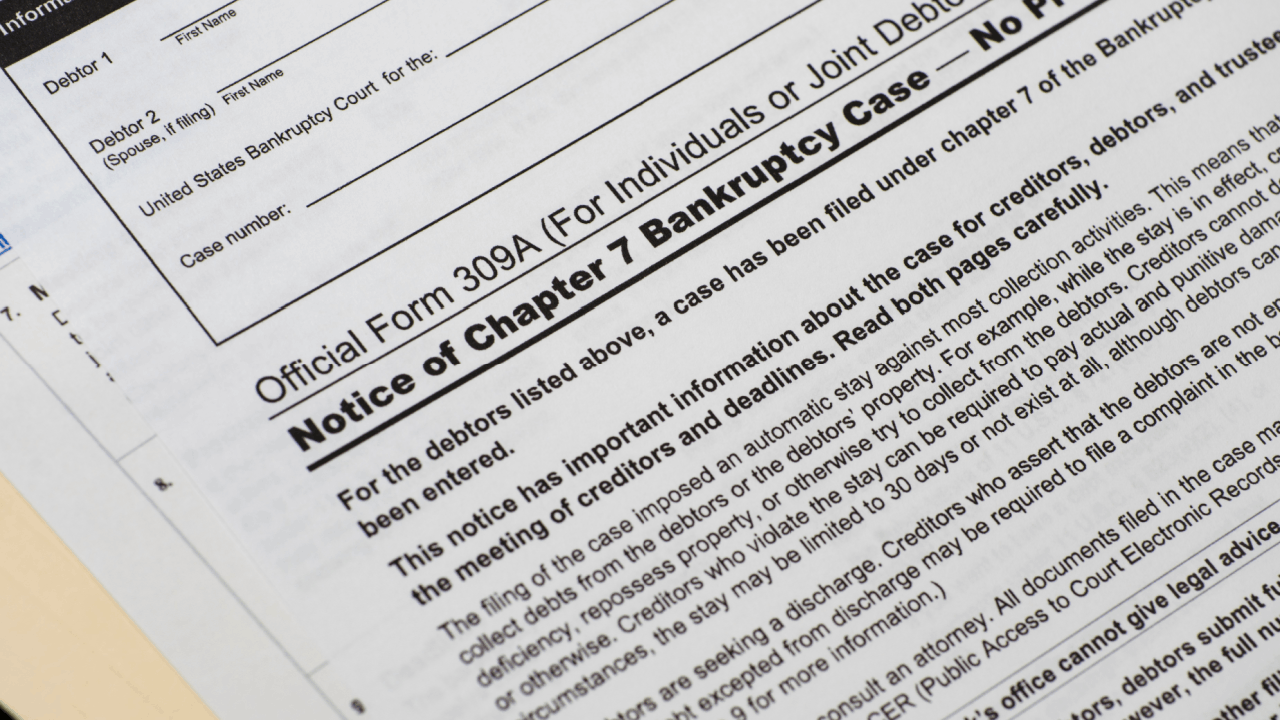
Chapter 7 bankruptcy focuses on eliminating unsecured debts—such as credit cards, medical bills, and personal loans—through a court-supervised process. In most cases, proceedings are completed within 3 to 6 months, making it one of the fastest forms of debt relief available under federal law.
For individuals dealing with constant creditor calls, wage garnishments, or overwhelming bills, this legal option can provide a structured path toward financial recovery. The sections below explain how it works, who qualifies, and what to expect throughout the process.
Key Legal Concepts: What Chapter 7 Covers
At its core, Chapter 7 is a liquidation process. A trustee reviews your assets and may sell any non-exempt property to repay creditors. However, most filers retain the majority—or all—of their belongings because exemptions protect essential assets.
As a result, many people can discharge qualifying debt without losing property that matters most.
Which Debts Can Be Discharged?
One of the main benefits of Chapter 7 is the elimination of unsecured debt. Common examples include:
- Credit card balances
- Medical bills
- Personal loans
- Utility arrears
- Certain older tax debts
On the other hand, some obligations generally cannot be discharged. These include:
- Child support and alimony
- Most student loans
- Recent tax debts
Because of this distinction, understanding what qualifies is essential before filing.
According to the Administrative Office of the U.S. Courts, over 380,000 Chapter 7 cases were filed in a recent fiscal year — confirming it remains the most commonly used form of consumer bankruptcy.
How the Chapter 7 Process Works
Although the process is relatively quick, it follows a structured sequence of steps:
Step 1: Complete a required credit counseling course within 180 days before filing.
Step 2: Submit a petition along with detailed financial documents, including income, expenses, assets, and debts.
Step 3: An automatic stay immediately stops most collection actions, including lawsuits and wage garnishments.
Step 4: Attend a brief meeting with the trustee (often lasting only a few minutes).
Step 5: Receive a discharge of eligible debts, typically within 60 to 90 days after the meeting.
Overall, the system is designed to be efficient while ensuring fairness to both debtors and creditors.
The Means Test Requirement
To qualify, you must pass the bankruptcy means test, which compares your income to your state’s median income. If your income falls below the median, you automatically qualify. Those above the median may still qualify after allowable expense deductions. The U.S. Trustee Program publishes current median income figures used in this calculation.
Comparing Chapter 7 and Chapter 13
While both are forms of bankruptcy, they serve different financial situations:
- Chapter 7: Fast discharge with potential liquidation of non-exempt assets
- Chapter 13: Structured repayment plan lasting 3–5 years
In general, Chapter 7 works best for individuals with limited income and primarily unsecured debt. Conversely, Chapter 13 may be more suitable for those trying to protect assets like a home from foreclosure.
For more detailed answers on eligibility and filing requirements, visit the bankruptcy FAQ page.
Why Chapter 7 Provides Real Relief
For many filers, the advantages are both immediate and long-term:
- Immediate protection: Collection efforts must stop once the case is filed
- Fast resolution: Most cases conclude in a few months
- Asset protection: Exemptions safeguard essential property
- Credit recovery: Rebuilding can begin within 1–2 years
Consequently, this option often serves as a practical reset rather than a last resort.
Moving Forward After Bankruptcy
Ultimately, Chapter 7 is about creating a clean financial slate. By eliminating unmanageable debt through a legal framework, it allows individuals to regain stability and plan for the future.
If debt has become impossible to manage, speaking with a qualified attorney can help determine whether this approach fits your situation.
Take the Next Step
Every financial situation is different. A professional evaluation can clarify your options and help you make an informed decision.
Consider reaching out to a licensed bankruptcy attorney to review your income, assets, and debts—and to determine whether Chapter 7 is the right path toward lasting financial relief.