


bankruptcy terms

Key Facts First: Does All Your Debt Go Away With Bankruptcy? Not all debt disappears with bankruptcy — but most unsecured debt can be legally eliminated. Does all your debt go away with bankruptcy? For many filers, Chapter 7 discharges credit card balances, medical bills, and personal loans entirely. Understanding which debts survive bankruptcy helps […]

Debt Relief Defined: Is Chapter 7 Better Than Chapter 11 Is Chapter 7 better than Chapter 11? For most individuals drowning in personal debt, Chapter 7 is the faster, less expensive path to a fresh financial start. Chapter 11 is designed for businesses and high-debt individuals who need to restructure rather than eliminate obligations. Knowing […]

Core Distinctions Revealed: What’s the Difference Between Chapter 7 and 11 Understanding what’s the difference between chapter 7 and 11 bankruptcy is essential for anyone facing serious debt and considering their legal options for relief. These two chapters of the federal bankruptcy code take fundamentally different approaches to resolving financial hardship, and choosing the wrong […]

Debt Survival Guide: What Debt Does Not Erase When You Pass Away Most people assume death cancels all financial obligations. That assumption is costly. What debt does not erase when you pass away often surprises surviving families — because creditors can still pursue your estate before heirs receive anything. Understanding which debts outlive you is […]

Permanent Obligations Revealed: What Debt Never Goes Away in Bankruptcy What debt never goes away is a distinct legal question from what debt simply survives a single bankruptcy filing. Certain obligations are structured under federal and state law to follow a debtor indefinitely — not because of a filing error or technicality, but because the […]

Persistent Debt Identified: What Types of Debt Usually Cannot Be Erased or Reduced What types of debt usually cannot be erased or reduced through bankruptcy falls into two broad legal categories under the Bankruptcy Code: priority debts that must be paid in full and nondischargeable debts that survive the case entirely. Recognizing both categories before […]
Forgiveness Limits Defined: What Debts Cannot Be Forgiven What debts cannot be forgiven through bankruptcy is governed entirely by federal law. The Bankruptcy Code designates specific obligation types as nondischargeable — meaning no court order can legally eliminate them. Identifying these debts before filing helps individuals approach Chapter 7 or Chapter 13 with accurate expectations […]

Debt Discharge Defined: What Two Debts Cannot Be Erased in Bankruptcy Understanding what two debts cannot be erased is one of the most important things a person can know before filing for bankruptcy protection. While Chapter 7 and Chapter 13 bankruptcy offer genuine debt relief and a path toward a fresh start, the bankruptcy code […]

Eligibility Criteria Explained: Who Is Eligible for Chapter 13 Who is eligible for chapter 13 depends on three core factors: having regular income, meeting debt limits set by the Bankruptcy Code, and satisfying prior filing requirements. Individuals who qualify may access a court-supervised repayment plan that is designed to help manage debts over time while […]
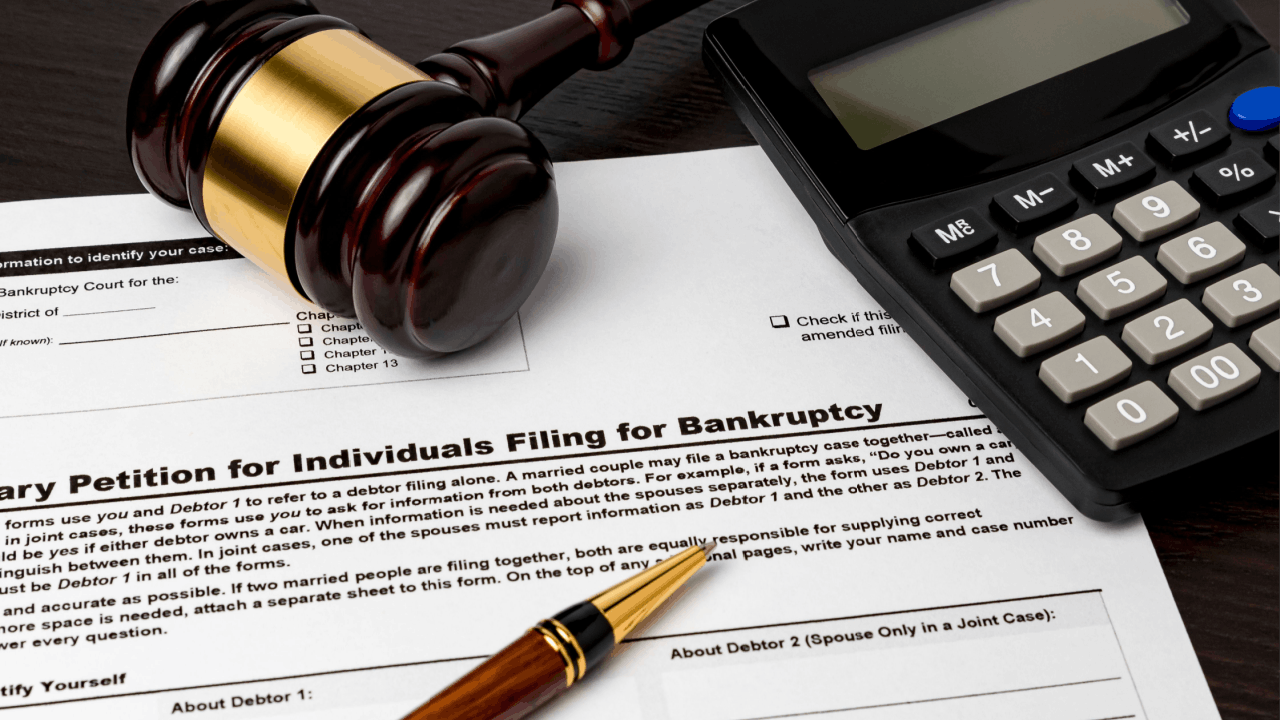
Debt Discharge Explained: Does Chapter 13 Erase All Debt Chapter 13 does not erase all debt, but it does provide a structured path to discharge many qualifying unsecured debts after completing a court-approved repayment plan. It also allows individuals to catch up on secured debts like mortgage arrears while keeping essential assets and working toward […]