



Why Are Bankruptcies Considered Bad: What You Really Need to Know Why are bankruptcies considered bad in public perception when they’re designed as legal protections? Many people struggling with overwhelming debt hesitate to explore bankruptcy because of persistent myths about permanent financial ruin. The reality is that bankruptcy exists to provide relief from unmanageable debt […]

Eligibility Factors Explained: What Would Disqualify Me from Chapter 7 Understanding Chapter 7 bankruptcy eligibility can feel overwhelming when you’re struggling with mounting debt. This form of bankruptcy allows for the discharge of certain unsecured debts through a defined legal process that typically proceeds more quickly than other bankruptcy chapters. However, specific legal requirements determine […]
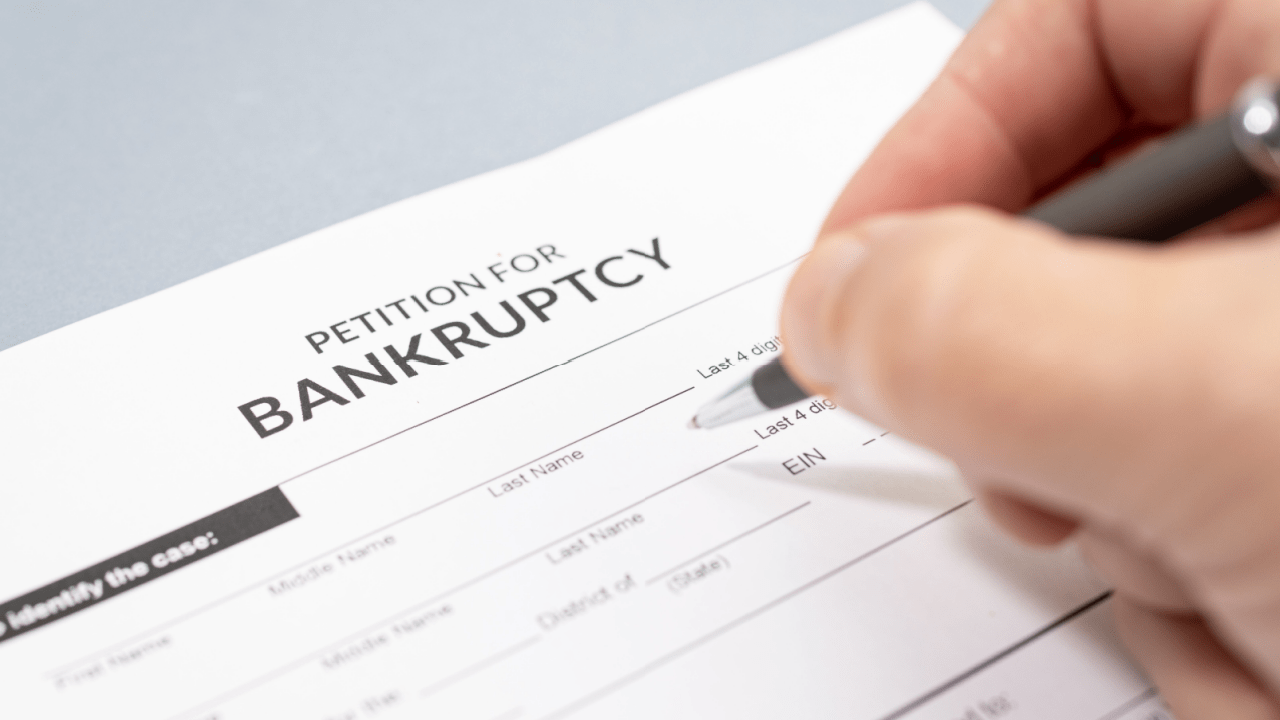
Bankruptcy Requirements Explained: What Are the Requirements to File Chapter 7 Bankruptcy What are the requirements to file Chapter 7 bankruptcy? You must pass the means test by earning below your state’s median income, complete credit counseling within 180 days before filing, have qualifying unsecured debts like credit cards or medical bills, and not have […]

Complete Bankruptcy Guide: Bankruptcy Process Fundamentals When creditor calls become relentless, collection lawsuits threaten your assets, and monthly debt payments consume your entire income, understanding the bankruptcy process becomes essential to regaining control. This comprehensive guide walks you through every stage of bankruptcy filing—from initial credit counseling requirements to final discharge orders—so you can approach […]
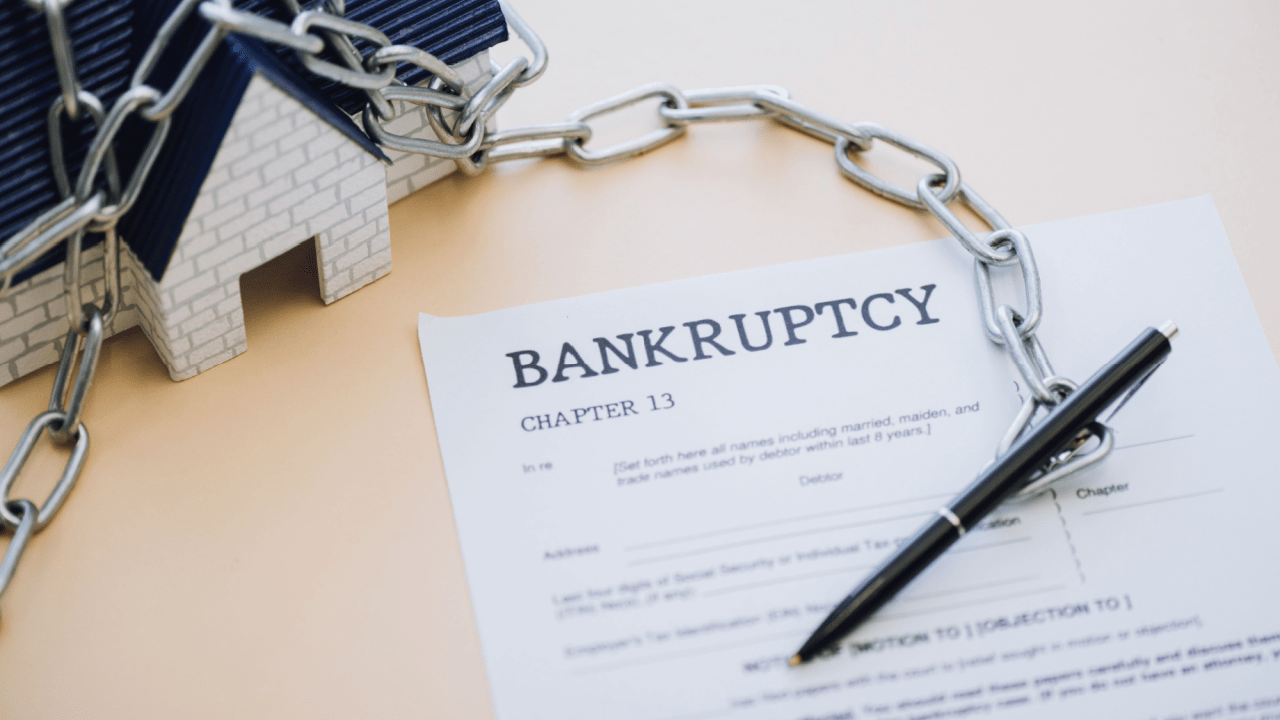
What Assets Are Protected in Bankruptcy: Protecting Your Property Legally What assets are protected in bankruptcy when you’re drowning in debt and need a fresh start? Understanding bankruptcy exemptions is crucial before filing, as these legal protections determine which property you keep during the debt relief process. If you’re worried about losing everything, there’s reassuring […]

Understanding Property Protection: Do You Lose All Your Stuff in Bankruptcy? Do you lose all your stuff in bankruptcy? This common fear prevents many financially struggling individuals from seeking the debt relief they desperately need. The reality is often more nuanced than many people expect. Through the use of bankruptcy exemptions under Chapter 7 and […]

Can You Keep Everything When Filing Bankruptcy: What Property Is Protected Bankruptcy exemptions are legal safeguards that protect specific property types from liquidation during debt relief proceedings. The U.S. Courts system recognizes that debtors need basic assets to maintain stability and reorganize their finances. Federal exemptions protect up to $27,900 in home equity, $4,450 in […]

Asset Protection Explained: Which Assets Cannot Be Seized Facing financial hardship and worried about losing everything you own? You’re not alone—millions of Americans struggle with unmanageable debt while fearing creditor seizures. Bankruptcy law includes exemptions that protect certain essential assets, which may allow individuals to address debt while retaining property necessary for ongoing stability. This […]

Understanding Property Protection: Will I Lose My Car and House in Chapter 7 Most people filing Chapter 7 bankruptcy keep both their car and house through bankruptcy exemptions that protect essential property. Federal and state exemption laws allow you to shield equity in your home and vehicle up to specific dollar amounts, meaning the bankruptcy […]

Complete Bankruptcy Guide: Bankruptcy Assets Protection Fundamentals Bankruptcy assets represent every piece of property, account, and future earnings you own at filing, but concerns about property loss often prevent individuals from seeking debt relief. If you’re drowning in credit card balances, medical bills, or personal loans while worried that bankruptcy means surrendering your home, car, […]