

bankruptcy terms

Can You File Bankruptcy and Keep Your Car? What You Need to Know Before Filing
Can You File Bankruptcy and Keep Your Car Without Losing It? Can you file bankruptcy and keep your car? The

Error: Contact form not found.
Lorem ipsum dolor sit amet, consectetur adipiscing elit. Ut elit tellus, luctus nec ullamcorper mattis, pulvinar dapibus leo.
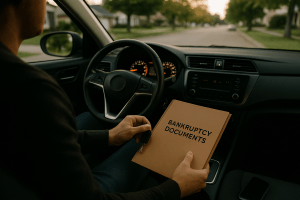
Can you file bankruptcy and keep your car? The answer depends on your car’s value, your loan status, and whether you file Chapter 7 or Chapter 13. For many people, their vehicle is essential to everyday life. Losing it could make it harder to get to work, care for family, or attend court hearings.
Thankfully, bankruptcy laws include protections that may allow you to keep your car while managing or eliminating other debts.
Understanding your bankruptcy options is key to answering “can you file bankruptcy and keep your car.” The two most common types of consumer bankruptcy—Chapter 7 and Chapter 13—handle vehicle ownership differently.
In Chapter 7, also known as liquidation bankruptcy:
If your equity exceeds the exemption limit, the bankruptcy trustee may sell the car, pay you the exemption amount, and use the rest to repay creditors. However, some filers are able to keep their car in Chapter 7 by reaffirming the loan or redeeming the vehicle.
In Chapter 13, you create a 3- to 5-year repayment plan to pay debts over time. It offers more flexibility:
Chapter 13 may be an option for individuals who are behind on car payments or have higher-value vehicles.
Every state offers vehicle exemptions, which protect a certain amount of car equity in bankruptcy. For example:
If your equity is less than or equal to the allowed exemption, your car is protected. If it’s higher, Chapter 13 may still allow you to keep the car by repaying the non-exempt portion.
If you’re financing your car, there may be options available to address the vehicle loan during bankruptcy:
You agree to keep making payments, and the lender agrees not to repossess the car. This keeps the loan active after bankruptcy.
You pay the car’s current value in a lump sum—ideal if the loan balance is much higher than the car’s worth.
Your car loan is rolled into the Chapter 13 plan, and you address the loan through the repayment plan, depending on eligibility and court approval.
So, can you file bankruptcy and keep your car? In some situations, it may be possible. The outcome depends on your car’s value, your exemption limits, and the bankruptcy chapter you choose. The outcome depends on several factors, including exemption limits and the type of bankruptcy filed.
Still asking can you file bankruptcy and keep your car? The legal team at Bankruptcy Attorneys can provide information about the bankruptcy process and discuss available options. You may request a free evaluation to review your situation before filing.
In Chapter 7, the trustee may sell the car. In Chapter 13, you may repay the non-exempt equity over time and keep it.
Yes, if you stay current on lease payments or assume the lease as part of your plan.
Yes. The automatic stay stops repossession efforts immediately after filing.
Possibly, especially in Chapter 13, but you’ll need court approval and the lender must agree.
In Chapter 7, yes. In Chapter 13, you can catch up on past-due payments over time.
Attorney Advertising. This site is a legal marketing service and does not provide legal advice. Submitting information does not create an attorney-client relationship. Results are not guaranteed.
Can You File Bankruptcy and Keep Your Car Without Losing It? Can you file bankruptcy and keep your car? The